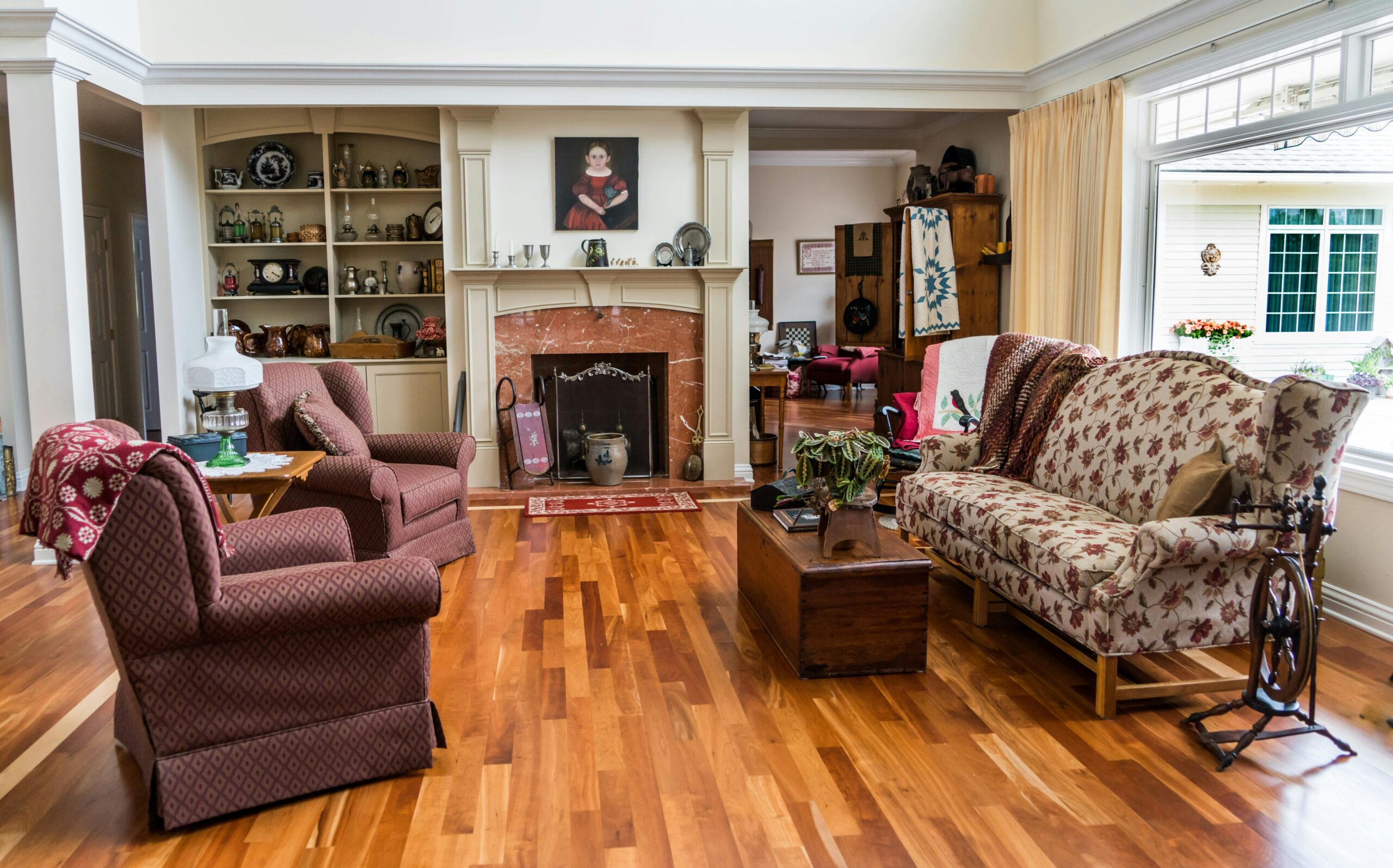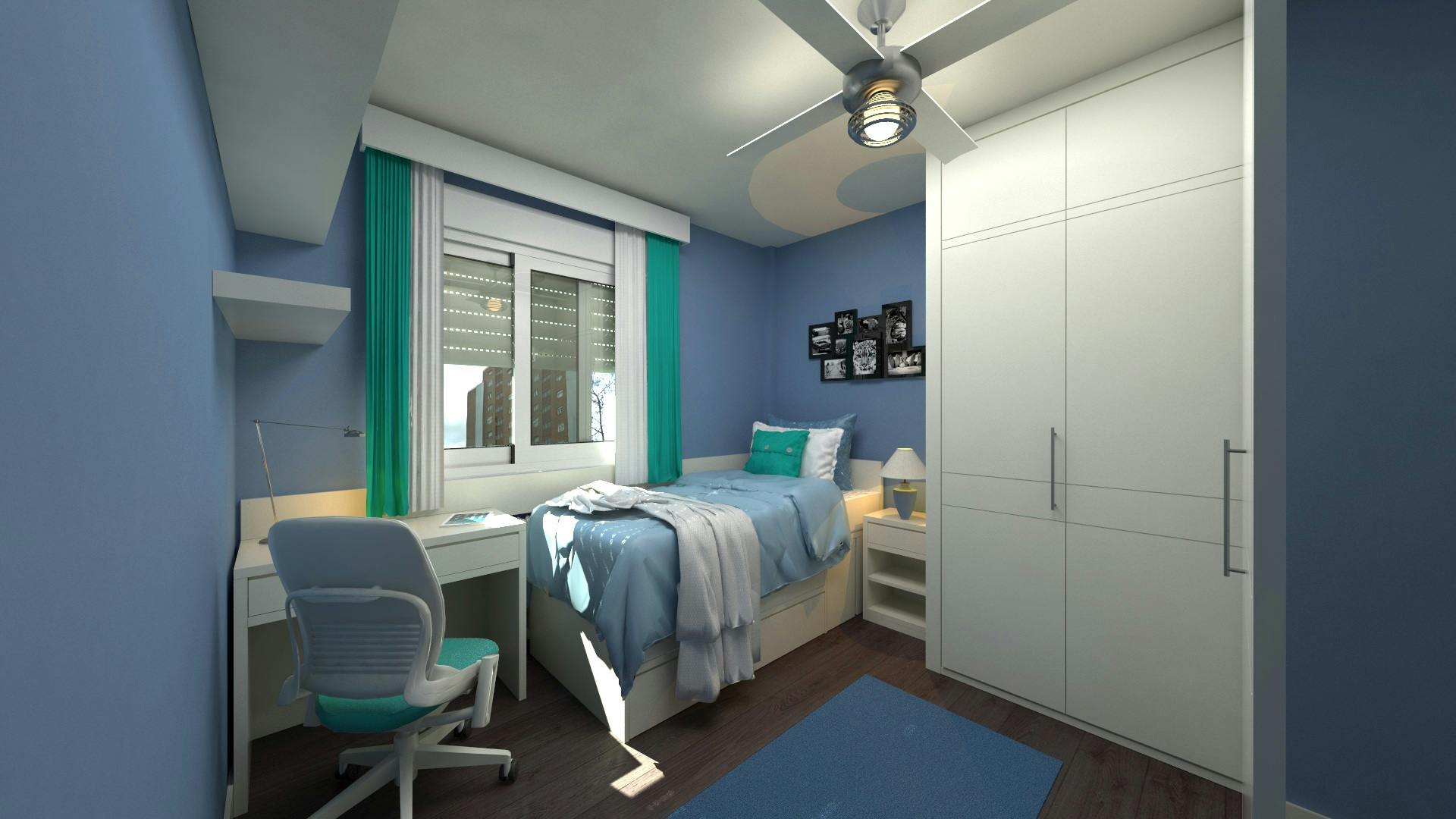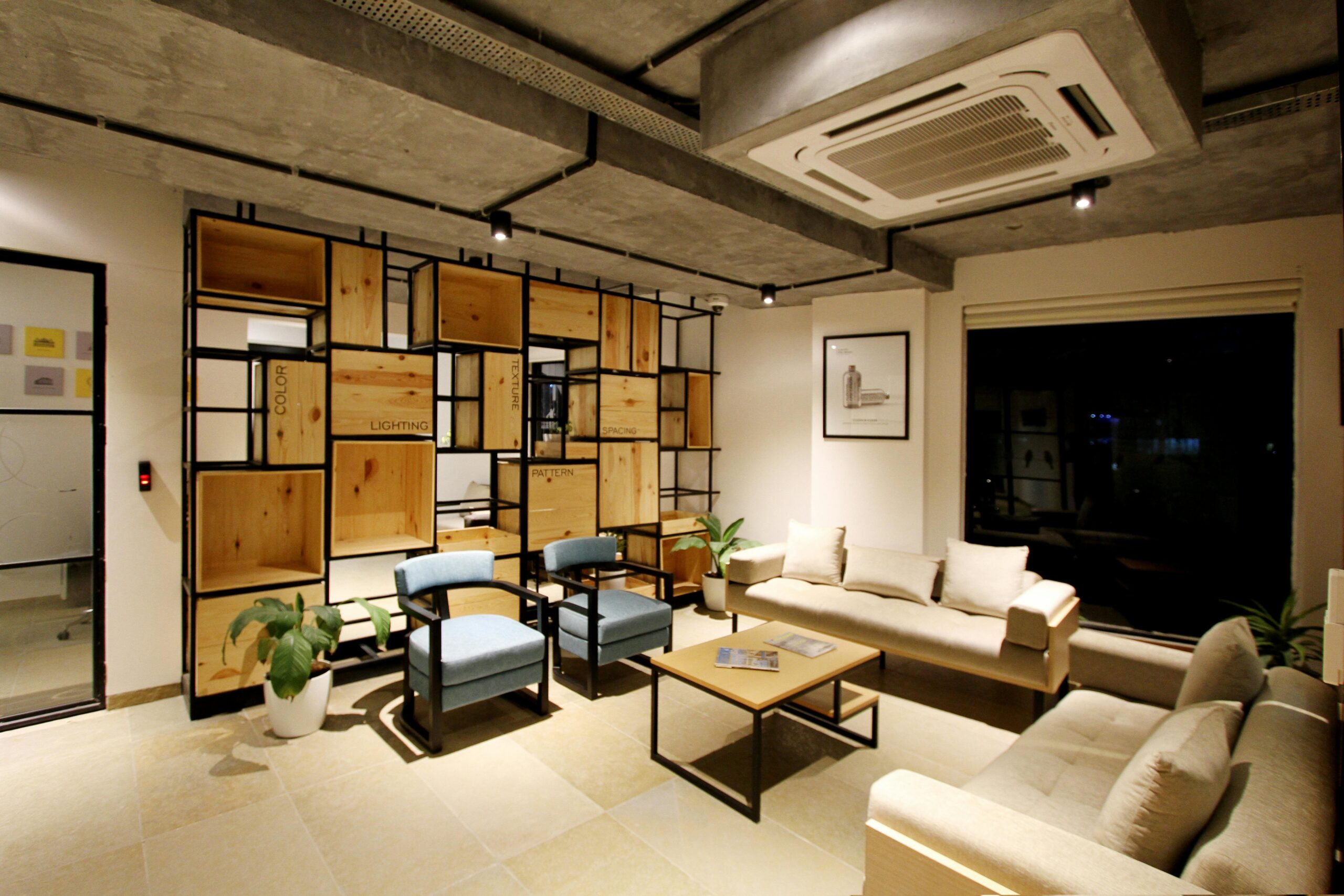
In today’s fast-paced world, families spend much of their time juggling work, school, responsibilities, and daily routines. Because of this, the home should serve as a peaceful retreat where every family member can relax, recharge, and spend meaningful time together. Designing a relaxing home environment is not just about decorating—it is about creating a space that promotes comfort, harmony, and emotional well-being for everyone in the household.
A calm and welcoming home environment helps reduce stress, encourages positive family interactions, and supports healthy lifestyles. From thoughtful furniture choices to soothing colors and organized spaces, many small design decisions contribute to building a peaceful atmosphere.
For readers of babyhomeliving.com, understanding how to design a relaxing home environment for families can help transform everyday living spaces into comfortable and nurturing environments. In this comprehensive guide, we will explore practical design strategies, organization ideas, and lifestyle tips that can help families create homes that feel calm, balanced, and inviting.
Choose Calm and Soothing Colors

Color plays a powerful role in shaping the mood of a home. Soft, neutral, and nature-inspired colors are often the best choices when designing a relaxing environment for families.
Shades such as soft white, light beige, warm gray, pale blue, and gentle green create a calming atmosphere that promotes relaxation. These colors help reduce visual stress and make spaces feel open and comfortable.
For family homes, neutral wall colors are especially helpful because they provide flexibility. Parents can easily update decor items such as cushions, rugs, or curtains without needing to repaint entire rooms.
Adding subtle accent colors through decorative accessories can also bring personality into the home while maintaining a peaceful overall look.
A balanced color palette is one of the first steps toward creating a calm and relaxing home environment.
Create Comfortable and Functional Living Spaces
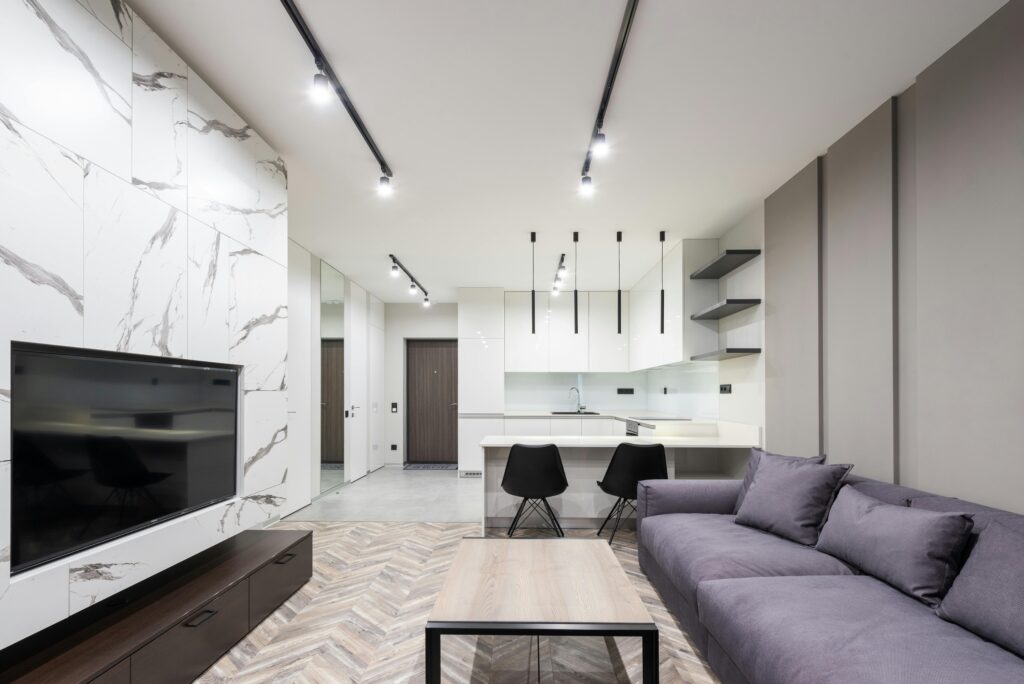
Comfort is essential in a family-friendly home. Living areas should be designed to support relaxation, conversation, and shared activities.
Choosing comfortable seating such as cozy sofas, supportive chairs, and soft cushions helps create a welcoming space where family members can gather. Arranging furniture in a way that encourages conversation can strengthen family connections.
For example, placing sofas and chairs in a circular or semi-circular arrangement around a coffee table allows everyone to interact easily.
It is also important to avoid overcrowding rooms with too much furniture. Leaving open space helps create a sense of freedom and relaxation.
A comfortable layout encourages families to spend more quality time together.
Maximize Natural Light
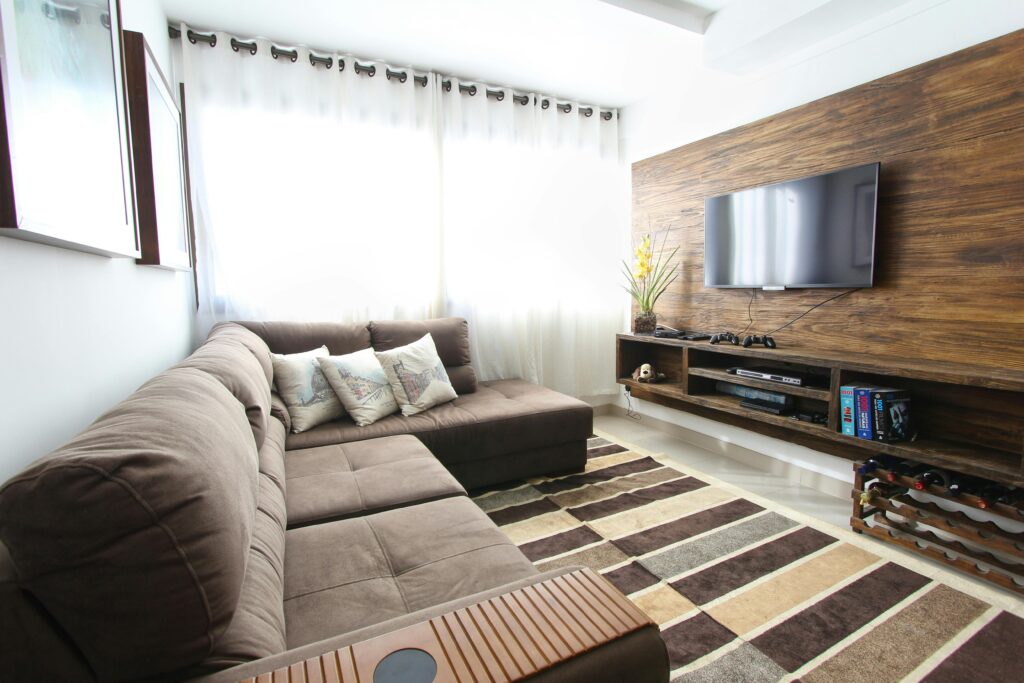
Natural light has a significant impact on mood and overall well-being. Homes that receive plenty of natural sunlight often feel brighter, happier, and more relaxing.
Whenever possible, keep windows unobstructed and use light curtains that allow sunlight to filter into the room. Mirrors placed opposite windows can reflect light and make spaces appear larger and brighter.
Natural light not only improves the visual appearance of a home but also supports mental health by boosting mood and energy levels.
During evening hours, soft warm lighting can maintain the cozy and relaxing atmosphere created by natural daylight.
Lighting design plays a key role in building a peaceful home environment.
Keep the Home Organized and Clutter-Free
A cluttered home can easily create stress and make it difficult to relax. Maintaining an organized living space is essential for promoting calmness and balance in family homes.
Storage solutions such as shelves, baskets, storage benches, and cabinets can help keep everyday items neatly arranged. Designating specific storage areas for toys, books, and household items makes it easier for family members to maintain order.
Teaching children simple organization habits can also help keep the home tidy while encouraging responsibility.
Minimal clutter allows rooms to feel more open, peaceful, and visually pleasing.
An organized home contributes greatly to a relaxing environment.
Incorporate Soft Textures and Cozy Materials
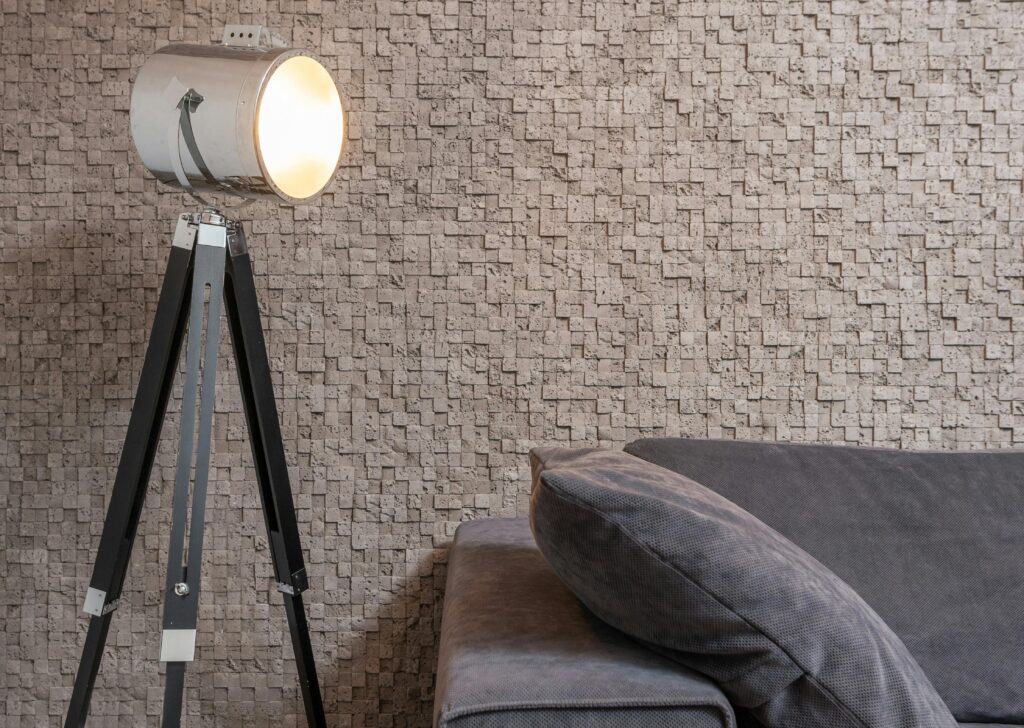
Textures play an important role in creating a comfortable and inviting home. Soft materials such as cotton, wool, linen, and plush fabrics can make living spaces feel warm and welcoming.
Area rugs, throw blankets, decorative cushions, and soft curtains all contribute to a cozy atmosphere. These elements add warmth and comfort while enhancing the overall design of the room.
Layering different textures also creates visual depth and makes rooms feel more thoughtfully designed.
For family homes, durable and easy-to-clean fabrics are practical choices that combine comfort with functionality.
Soft textures help transform a house into a relaxing sanctuary.
Add Natural Elements
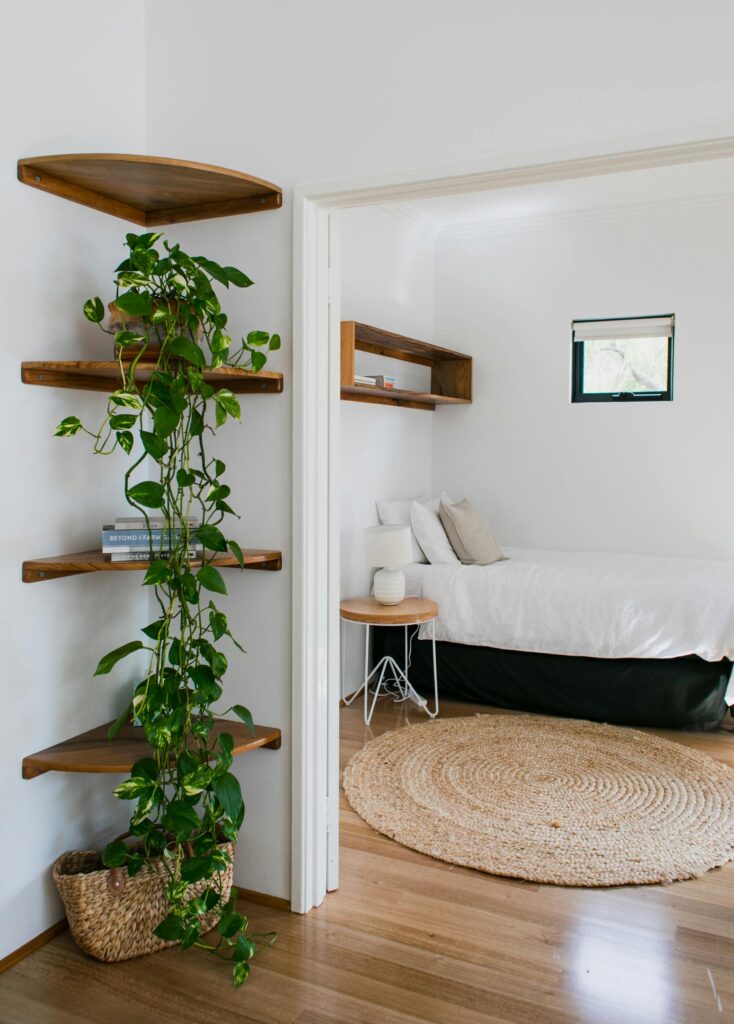
Nature has a calming effect on people, and incorporating natural elements into home design can significantly improve the atmosphere of a space.
Indoor plants are one of the easiest ways to bring nature indoors. Plants such as snake plants, pothos, and peace lilies add greenery while improving air quality.
Natural materials like wood, stone, bamboo, and woven fibers can also be used in furniture and decor to create a warm and organic look.
Large windows with views of outdoor spaces further strengthen the connection between the home and nature.
These elements help create a peaceful environment that feels fresh and balanced.
Design Spaces for Family Activities
A relaxing home environment should support the activities that families enjoy together. Designing areas specifically for family interaction can strengthen relationships and create lasting memories.
For example, a comfortable living room can be used for movie nights or storytelling sessions. A dining table can become a space for shared meals, homework, or board games.
Some families may also enjoy creating a small reading corner with comfortable chairs and bookshelves.
When the home supports family bonding activities, it naturally becomes a place where everyone feels comfortable and connected.
Create Quiet Spaces for Relaxation
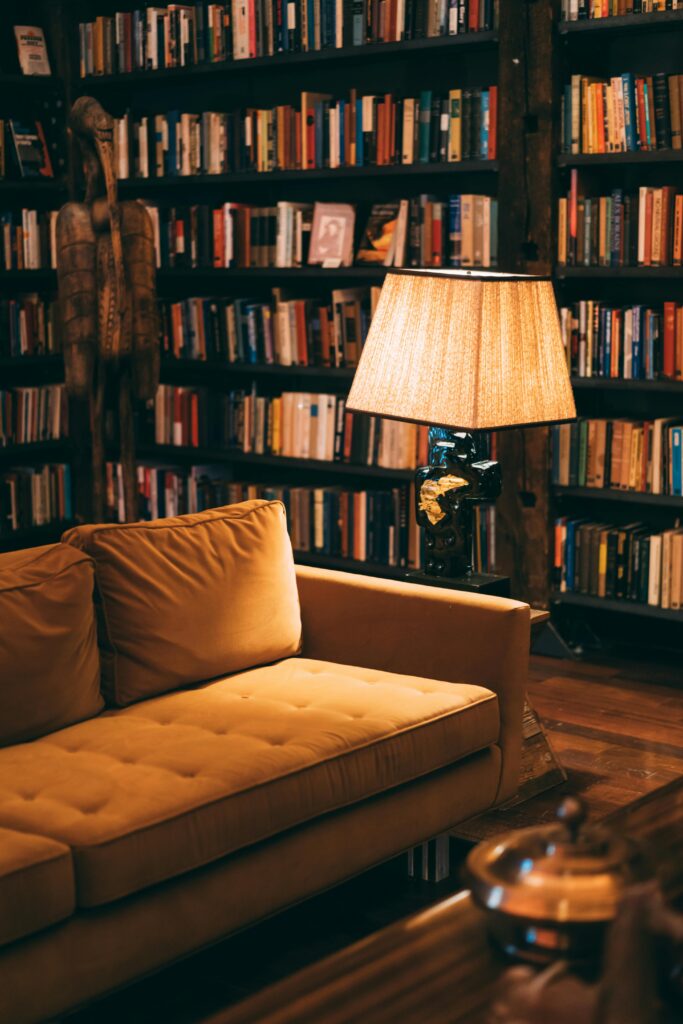
While family interaction is important, every member of the household also needs moments of quiet and personal relaxation. Creating small calm zones within the home can provide these opportunities.
A cozy reading corner with a comfortable chair and soft lighting can serve as a peaceful retreat. Bedrooms should also be designed as restful spaces where family members can unwind after a long day.
Even small spaces such as window seats or balcony areas can become relaxing corners for reflection and relaxation.
Quiet spaces help maintain emotional balance within a busy family household.
Use Pleasant Scents to Enhance Atmosphere
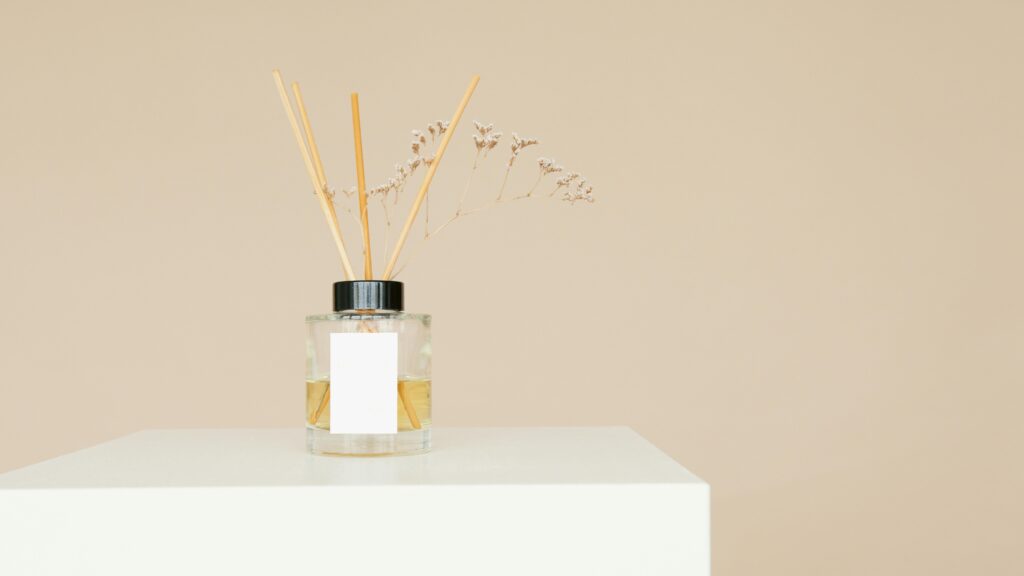
The atmosphere of a home is influenced not only by visual design but also by scent. Pleasant fragrances can create a calming and welcoming environment.
Natural scents such as lavender, vanilla, citrus, or eucalyptus can promote relaxation and reduce stress. Scented candles, essential oil diffusers, or fresh flowers can introduce gentle aromas into the home.
Maintaining good ventilation and fresh air also helps create a clean and comfortable atmosphere.
A home that smells fresh and inviting contributes to a more relaxing experience for family members and guests.
Personalize the Home with Meaningful Decor
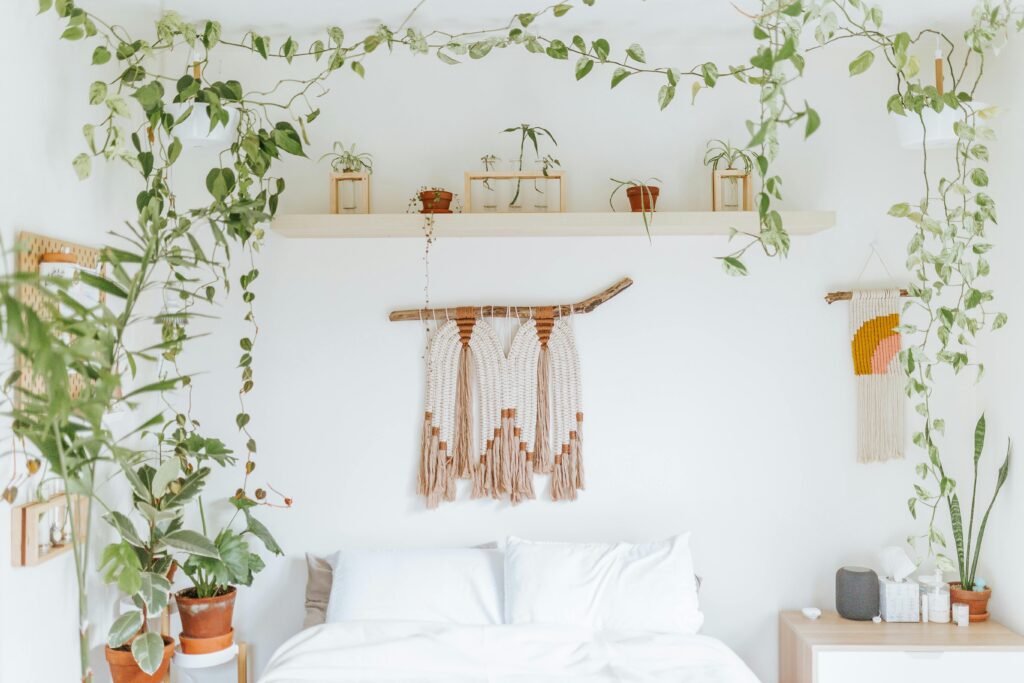
A relaxing family home should reflect the personalities and memories of the people who live there. Personal decor items add warmth and emotional value to the living space.
Family photographs, travel souvenirs, artwork created by children, and sentimental objects can all be displayed as part of the decor.
These personal touches remind family members of shared experiences and create a deeper emotional connection to the home.
Decorating with meaningful items helps transform a house into a true family sanctuary.
Maintain a Balanced Lifestyle at Home
Designing a relaxing home environment also involves supporting healthy family routines. Spaces should encourage rest, connection, and balance.
Limiting excessive noise and creating technology-free zones can help promote calm interactions. Encouraging family meals, reading time, or creative activities can strengthen relationships and reduce daily stress.
A well-designed home supports both physical comfort and emotional well-being.
By creating a space that supports positive routines, families can enjoy a healthier and more peaceful lifestyle.
Final Thoughts
Creating a calm and welcoming home does not require expensive renovations or complicated interior design. With thoughtful choices and small improvements, families can transform their homes into relaxing environments that support comfort, connection, and happiness.
Learning how to design a relaxing home environment for families involves combining soothing colors, comfortable furniture, natural light, organized spaces, and meaningful decor. Adding natural elements, cozy textures, and areas for family activities further enhances the overall atmosphere.
For readers of babyhomeliving.com, these ideas provide practical inspiration for building a peaceful home where every family member can feel safe, comfortable, and supported.
Ultimately, the most relaxing homes are those filled with warmth, love, and thoughtful design. By focusing on comfort, simplicity, and connection, families can create living spaces that nurture both body and mind while making everyday life more enjoyable.