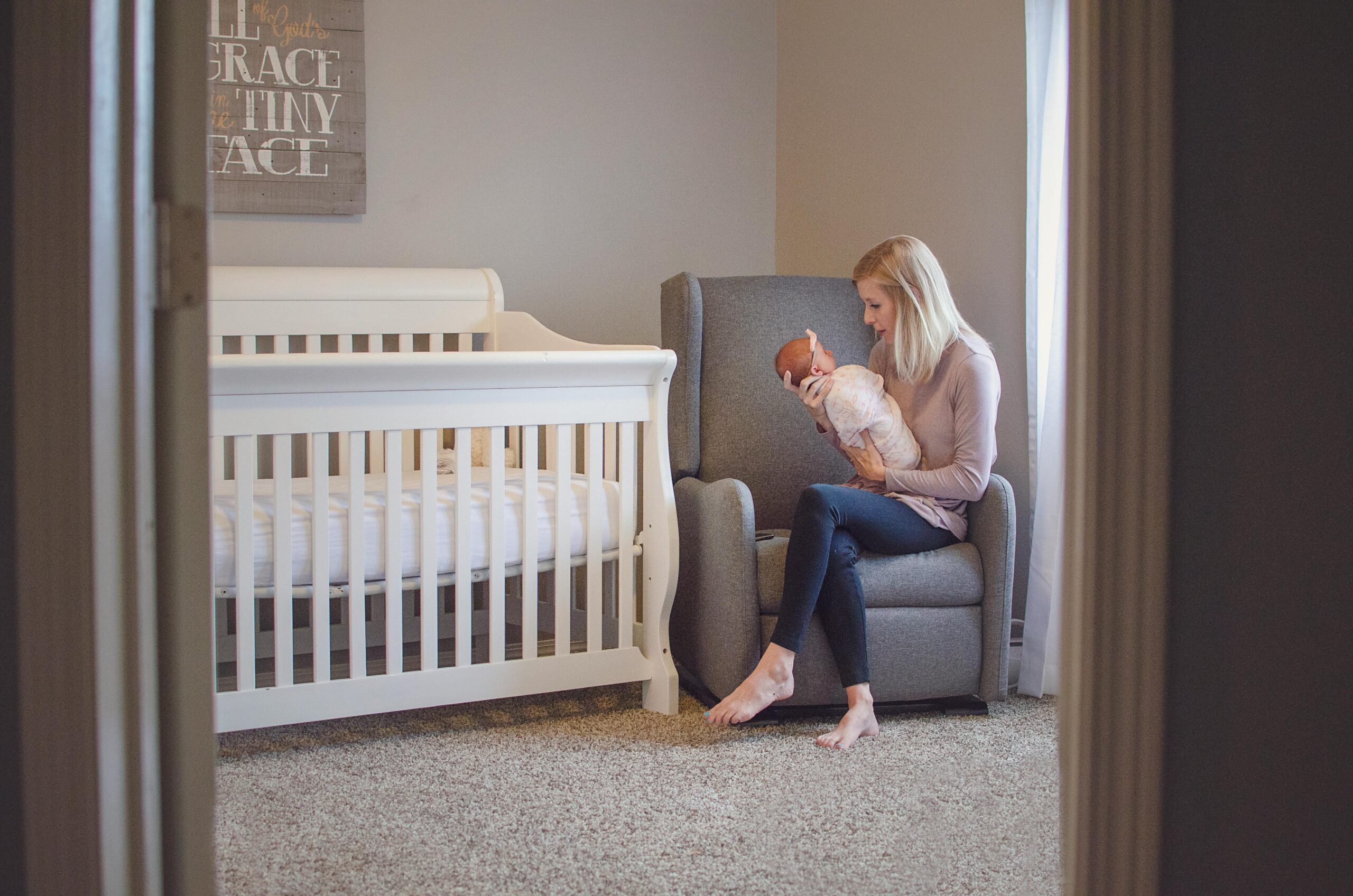
Welcoming a newborn baby into your home is one of the most exciting and emotional experiences for any family. However, along with the joy of parenthood comes the responsibility of ensuring that your home is safe, comfortable, and suitable for your baby’s delicate needs. Newborns are extremely sensitive to their surroundings, and even small hazards in the home can pose risks if proper precautions are not taken.
Creating a safe home environment for a newborn does not mean turning your house into a hospital-like space. Instead, it involves making thoughtful adjustments, organizing baby essentials, and ensuring that every area of the home supports your baby’s health and safety. From proper sleeping arrangements to maintaining a clean environment, every detail plays a role in protecting your baby.
For readers of babyhomeliving.com, learning how to create a safe home environment for newborns can help parents feel more confident and prepared during the early months of their baby’s life. In this detailed guide, we will explore practical safety tips, nursery setup ideas, and everyday habits that help ensure your home becomes a secure and nurturing space for your newborn.
Prepare a Safe Sleeping Space
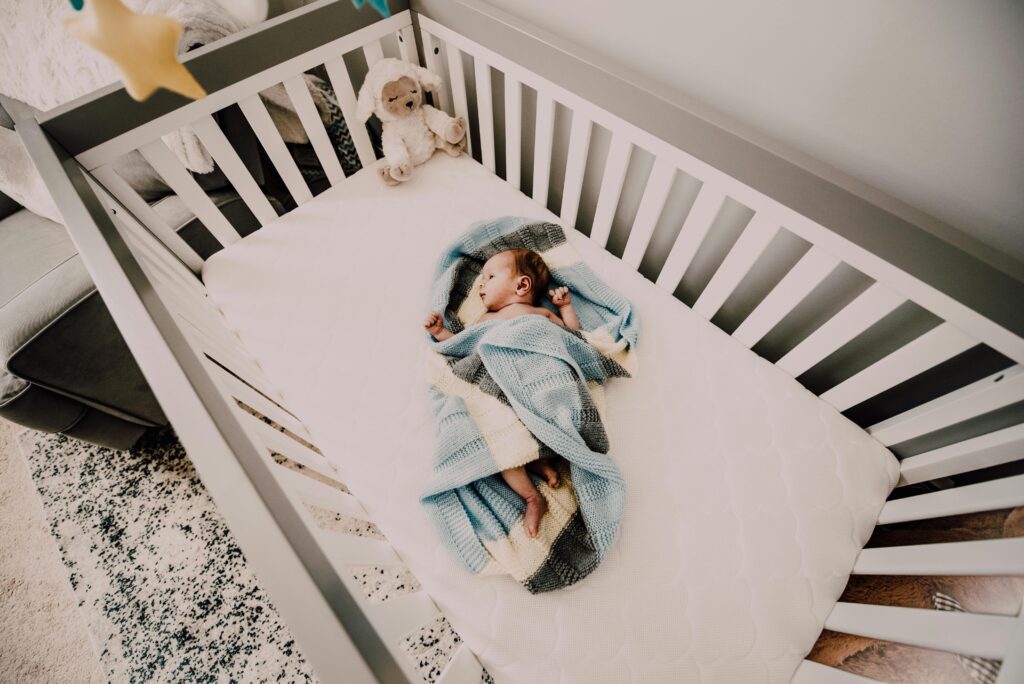
One of the most important aspects of newborn safety is providing a secure and comfortable sleeping environment. Since newborns spend a significant amount of time sleeping, their sleep space should be carefully arranged to minimize any potential risks.
A firm mattress that fits snugly inside the crib or bassinet is essential. Soft bedding, pillows, and large blankets should be avoided because they can increase the risk of suffocation. Instead, use fitted sheets designed specifically for infant mattresses.
The crib should also meet modern safety standards, with properly spaced slats and sturdy construction. Parents should ensure that the sleeping area remains free from toys, stuffed animals, or loose objects.
Placing the baby on their back to sleep is widely recommended because it helps reduce the risk of sleep-related accidents. Maintaining a calm, quiet sleep area also promotes healthy rest for newborns.
Maintain Clean and Hygienic Living Spaces
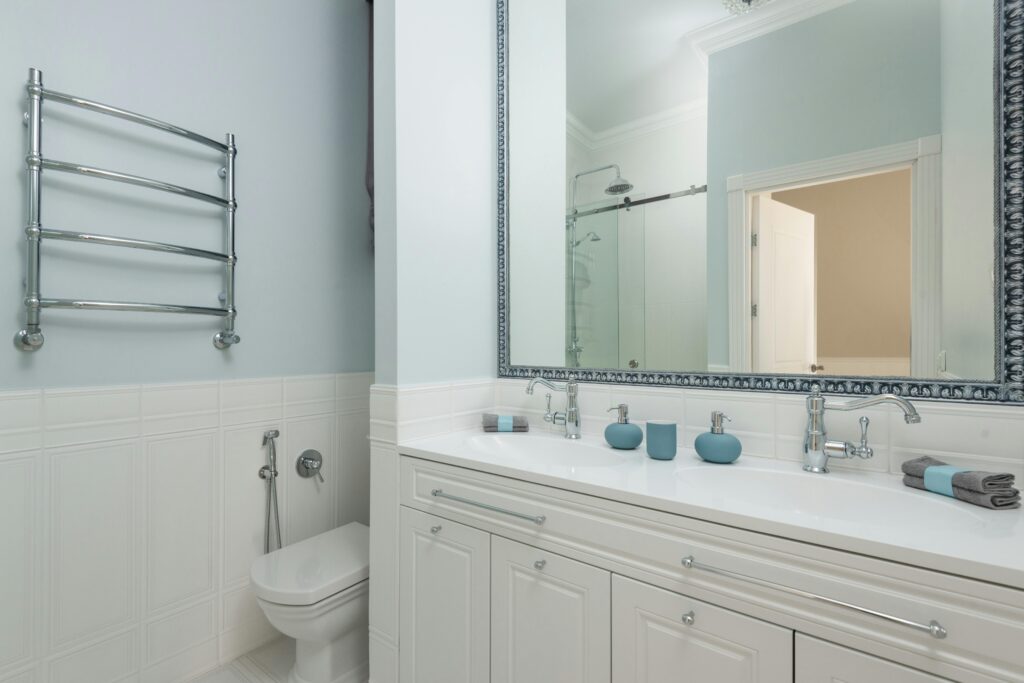
Newborns have developing immune systems, which makes cleanliness an important part of maintaining their health. Keeping the home environment clean can help protect babies from germs, allergens, and dust.
Regularly cleaning surfaces, vacuuming floors, and washing baby items such as clothes and blankets can reduce the spread of bacteria. It is also helpful to keep baby feeding supplies, bottles, and pacifiers properly sanitized.
Parents should ensure that trash bins are emptied regularly and that kitchen and bathroom areas remain hygienic.
Maintaining good ventilation in the home also improves air quality and helps create a healthier environment for the baby.
A clean home supports both the comfort and well-being of your newborn.
Baby-Proof Potential Hazards
Although newborns are not yet mobile, it is still important to prepare the home for their future development. Baby-proofing early helps parents stay ahead of potential hazards before the baby begins crawling or exploring.
Cover electrical outlets with safety caps to prevent accidents. Secure loose cords from blinds, lamps, or electronic devices to avoid entanglement.
Furniture such as bookshelves and cabinets should be stable and secured to the wall if possible. This prevents tipping hazards once the baby begins moving around.
Parents should also ensure that small objects, sharp items, or choking hazards are stored safely out of reach.
Taking preventive steps early creates a safer home environment as the baby grows.
Organize Baby Supplies for Easy Access
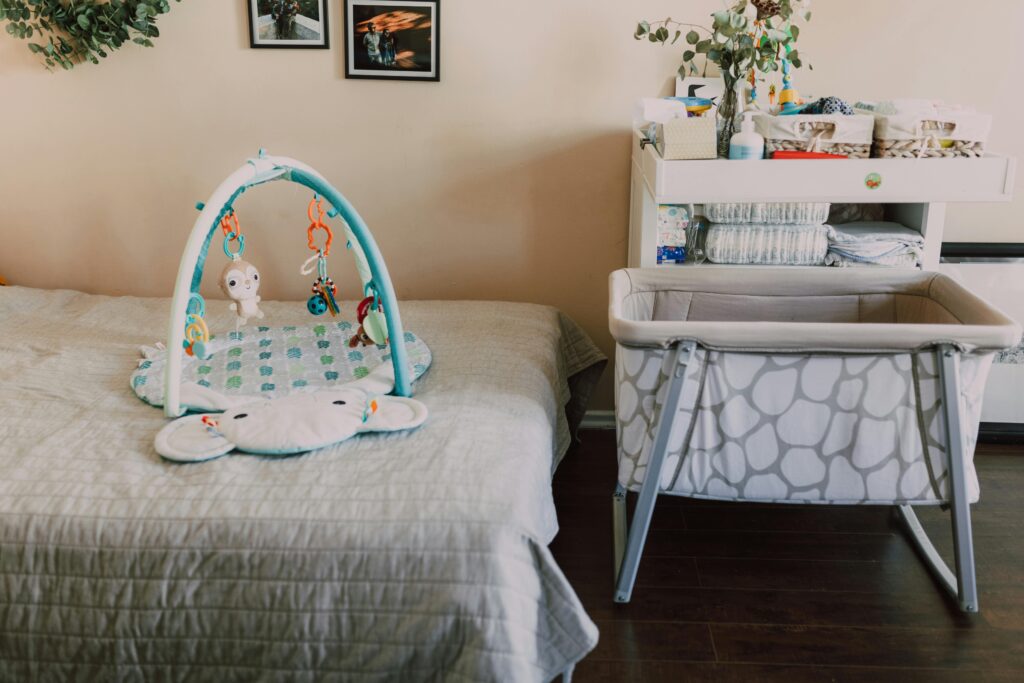
Having a well-organized home makes it easier to care for a newborn, especially during busy or stressful moments. Keeping baby supplies arranged in designated areas ensures that parents can quickly find what they need.
A changing station with diapers, wipes, creams, and extra clothes should be easily accessible. Storage bins or drawers can help separate baby items by category, such as clothing, feeding supplies, and toys.
Organizing baby essentials not only saves time but also prevents clutter from building up in living spaces.
When everything has its own place, parents can focus more on caring for their baby rather than searching for items.
Ensure Safe Feeding Practices
Feeding time is an important part of newborn care, and maintaining a safe feeding environment is essential for the baby’s health.
If using bottles, ensure they are cleaned and sterilized regularly. Breastfeeding mothers should maintain comfortable and supportive seating areas to promote proper feeding posture.
Always hold the baby securely during feeding and avoid leaving bottles unattended in the crib.
Parents should also be mindful of food preparation areas to ensure that baby feeding equipment remains clean and safe.
Safe feeding habits contribute to the overall well-being of the newborn.
Maintain a Comfortable Room Temperature
Newborn babies are sensitive to temperature changes, so maintaining a comfortable indoor environment is important.
The ideal room temperature for a newborn is usually moderate—not too hot and not too cold. Overheating can make babies uncomfortable and may increase certain health risks.
Dress the baby in soft, breathable clothing appropriate for the room temperature. Light layers are often better than heavy blankets.
Monitoring room conditions and adjusting clothing or bedding accordingly helps ensure the baby remains comfortable and safe.
Keep Harmful Products Out of Reach
Household products such as cleaning chemicals, medicines, and cosmetics should always be stored safely away from areas accessible to children.
Although newborns cannot yet reach these items, it is wise to develop safe storage habits early. Using high cabinets or locked storage areas can prevent accidental exposure in the future.
Parents should also choose baby-safe cleaning products whenever possible to reduce the presence of harsh chemicals in the home.
Safe storage practices protect both newborns and growing children.
Reduce Noise and Create a Calm Atmosphere
Newborns are sensitive to loud or sudden noises, which can disturb their sleep and cause stress. Creating a calm and peaceful atmosphere helps babies feel secure and relaxed.
Soft background sounds such as gentle music or white noise can sometimes help newborns sleep more comfortably.
Parents should also try to maintain a peaceful environment during sleep times by limiting loud activities nearby.
A quiet and calm home atmosphere supports healthy rest and emotional comfort for newborn babies.
Encourage Fresh Air and Natural Light

Natural light and fresh air can positively influence a newborn’s environment. Opening windows occasionally allows fresh air to circulate and helps maintain good indoor air quality.
Sunlight can brighten living spaces and create a cheerful atmosphere in the home. However, direct sunlight should not fall directly on the baby’s sleeping area.
Curtains or blinds can help control light levels and maintain a comfortable environment throughout the day.
A balanced environment with fresh air and gentle lighting supports a healthy home for newborns.
Educate Family Members About Baby Safety
Creating a safe home environment for a newborn is a shared responsibility among all family members. Everyone in the household should understand basic baby safety guidelines.
Older siblings can be taught how to interact gently with the baby, while other family members can help maintain cleanliness and organization.
Visitors should also follow hygiene practices such as washing hands before holding the baby.
When everyone participates in maintaining a safe environment, the baby benefits from a supportive and protective home.
Final Thoughts
Preparing a safe home environment is one of the most important responsibilities for new parents. Thoughtful planning, cleanliness, and simple safety measures can significantly reduce potential risks and create a nurturing space for your newborn.
Understanding how to create a safe home environment for newborns involves setting up secure sleeping areas, maintaining hygiene, organizing baby supplies, and baby-proofing the home for future growth. Creating a calm, comfortable atmosphere further supports the baby’s development and well-being.
For readers of babyhomeliving.com, these practical tips provide guidance for building a home that supports both safety and comfort during the early stages of parenthood.
Ultimately, a safe and loving home environment allows parents to focus on what truly matters—caring for their newborn, enjoying precious family moments, and watching their baby grow in a secure and nurturing space.