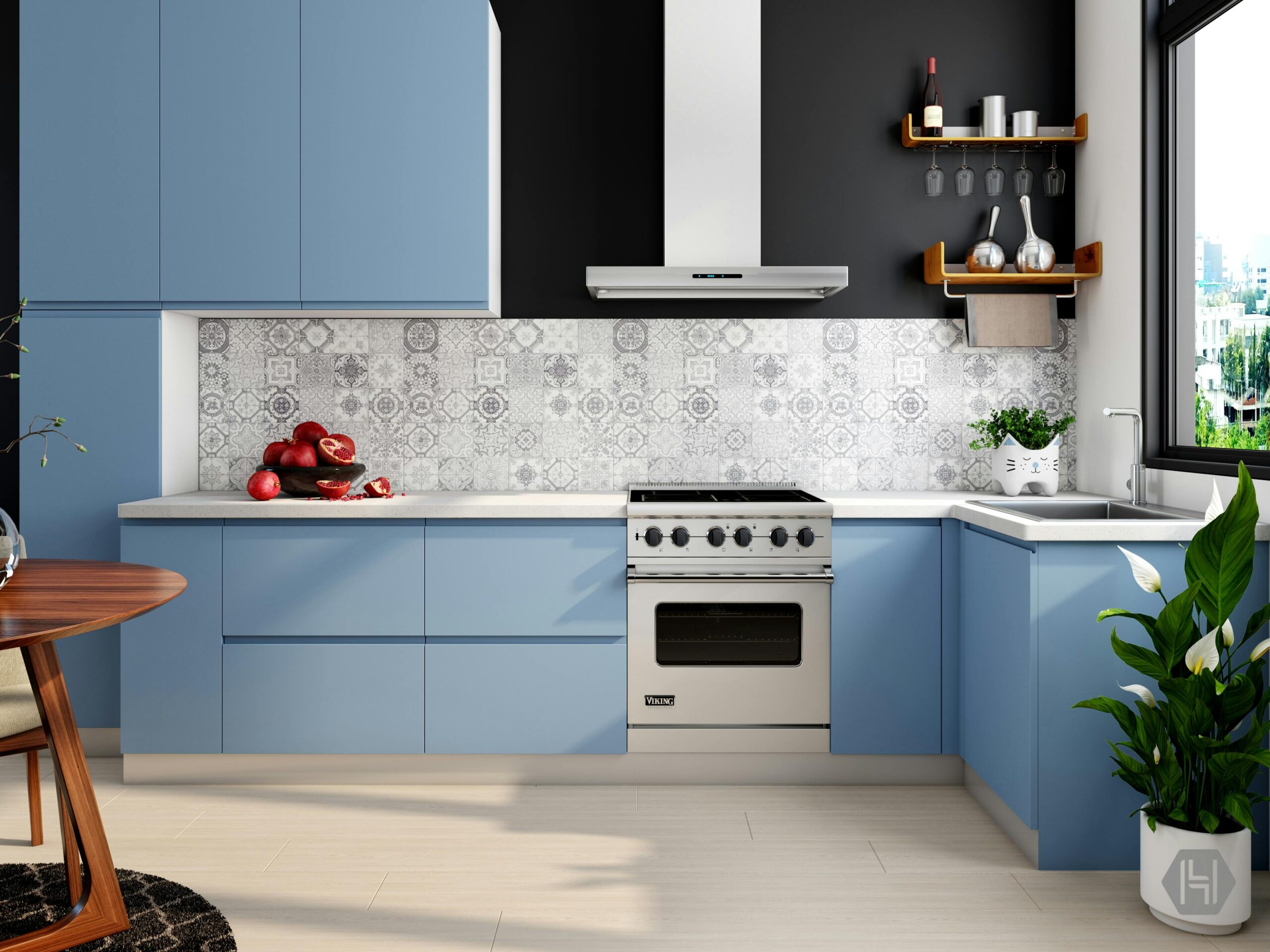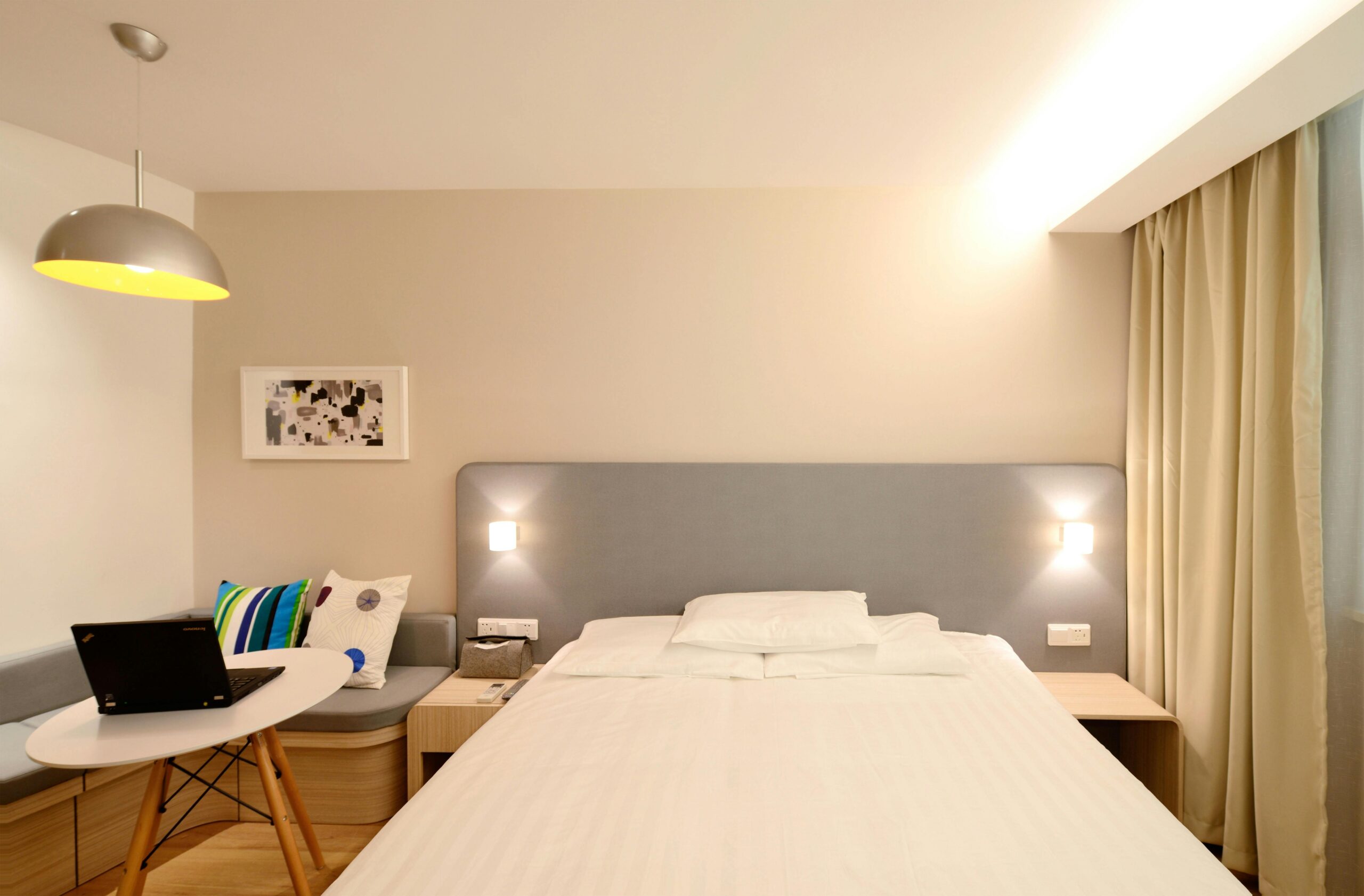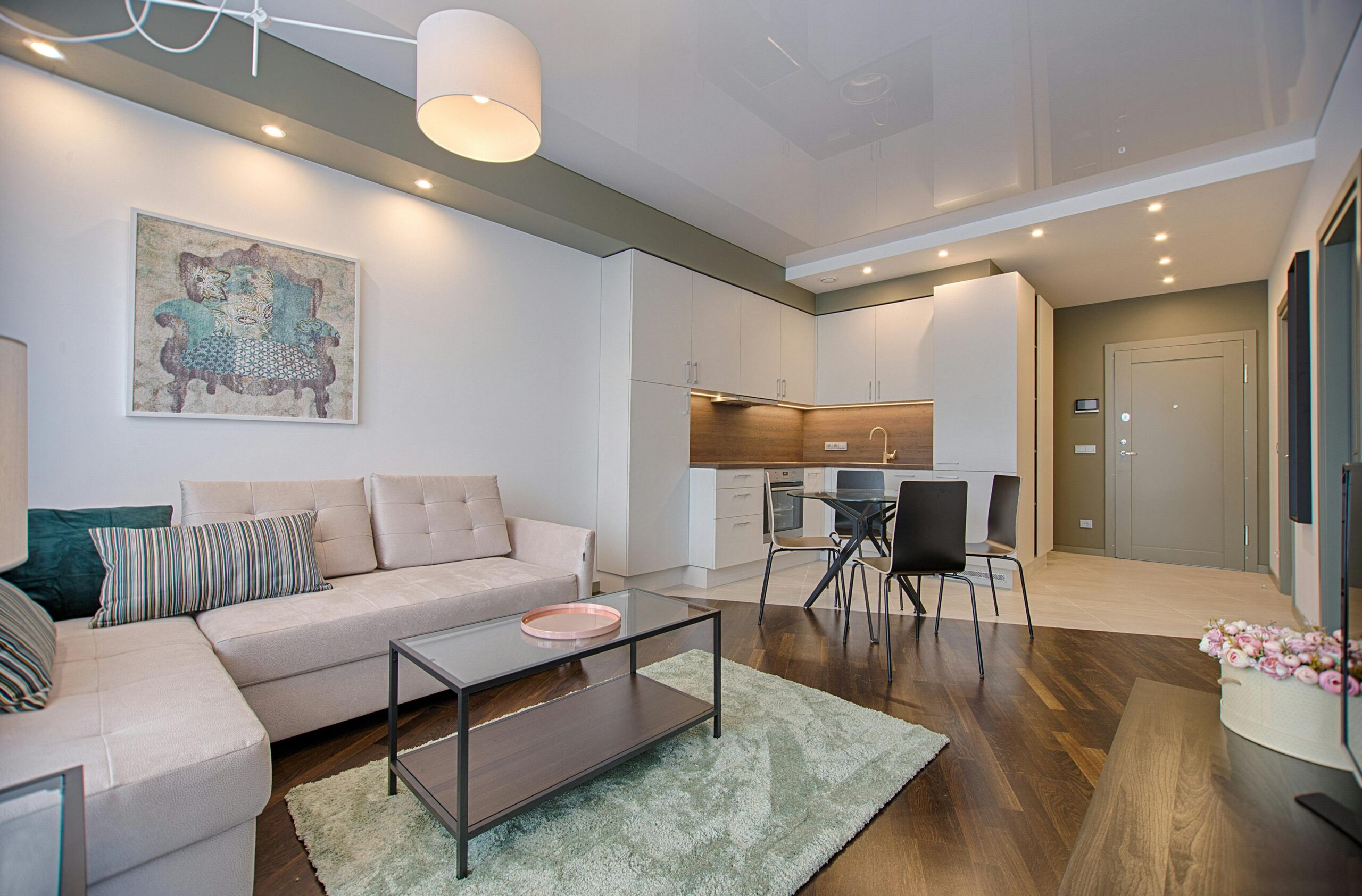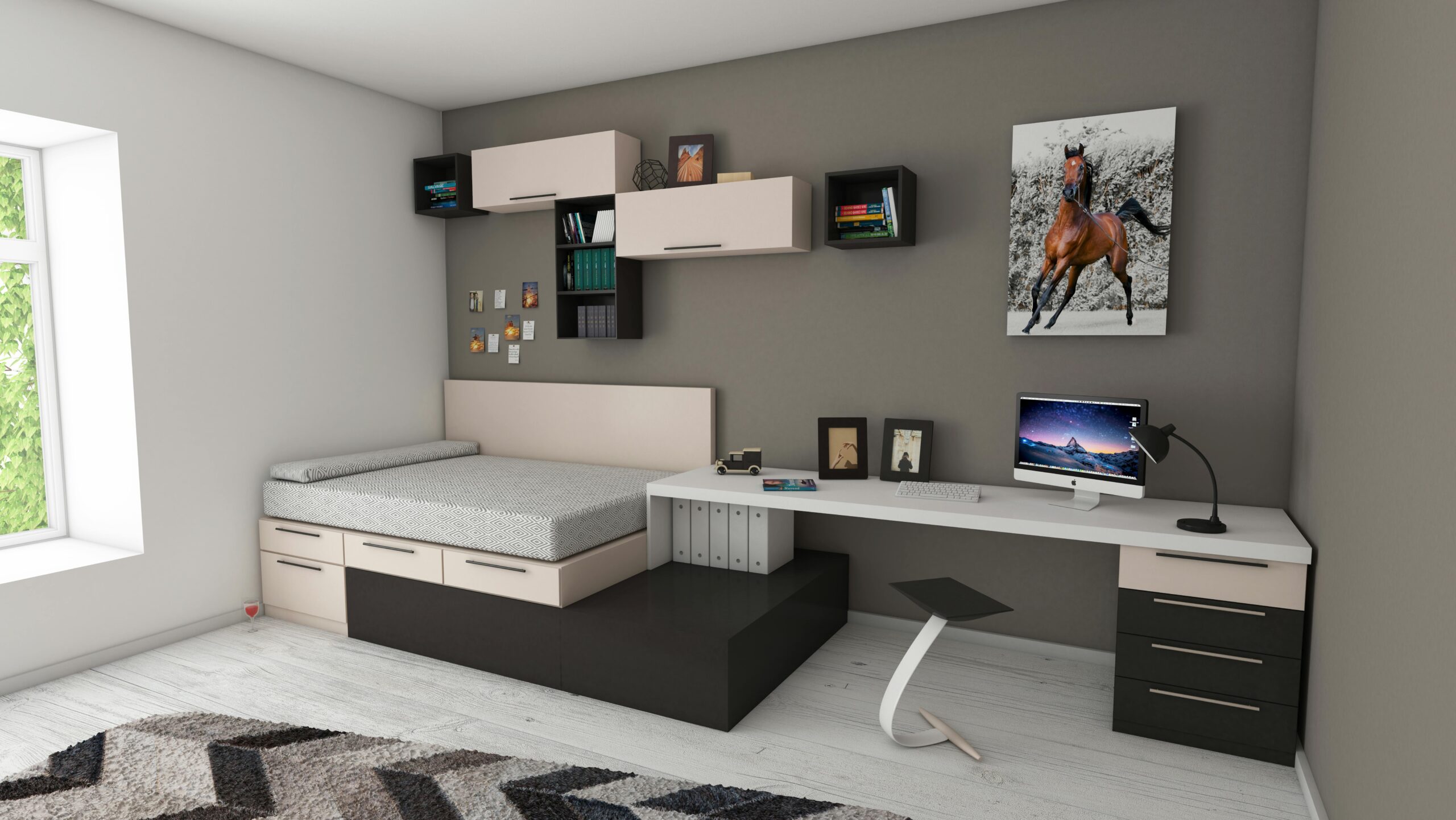
Modern interior design has become increasingly popular among homeowners who want their homes to feel stylish, comfortable, and practical. Today’s modern homes are designed to reflect simplicity, elegance, and functionality while creating a welcoming environment for family and guests. Instead of overcrowded rooms and heavy decoration, modern interiors focus on clean layouts, balanced colors, and carefully selected furniture.
The beauty of modern home design lies in its ability to combine aesthetics with practicality. Every design element, from lighting and furniture to color palettes and decorative accessories, contributes to the overall harmony of the space. When done correctly, modern interior design can transform an ordinary house into a sophisticated and relaxing living environment.
For readers of babyhomeliving.com, understanding the best interior design ideas for modern homes can help create beautiful living spaces that reflect personal style while maintaining comfort and efficiency. Whether you are decorating a new home or updating your existing space, these modern interior design ideas will help you achieve a stylish and functional home.
Embrace Minimalist Design Principles
One of the most important aspects of modern interior design is minimalism. Minimalist design focuses on simplicity, clean lines, and uncluttered spaces. Instead of filling rooms with unnecessary furniture and decorations, modern homes highlight a few carefully selected pieces that serve both functional and aesthetic purposes.
Minimalist interiors often feature open spaces, neutral colors, and sleek furniture designs. This approach allows the room to feel more spacious and visually calming. By reducing clutter and focusing on essential items, homeowners can create an organized and peaceful environment. Minimalism also encourages mindful decorating. Rather than purchasing many decorative items, homeowners invest in quality pieces that add character and beauty to the home
Choose a Neutral Color Palette
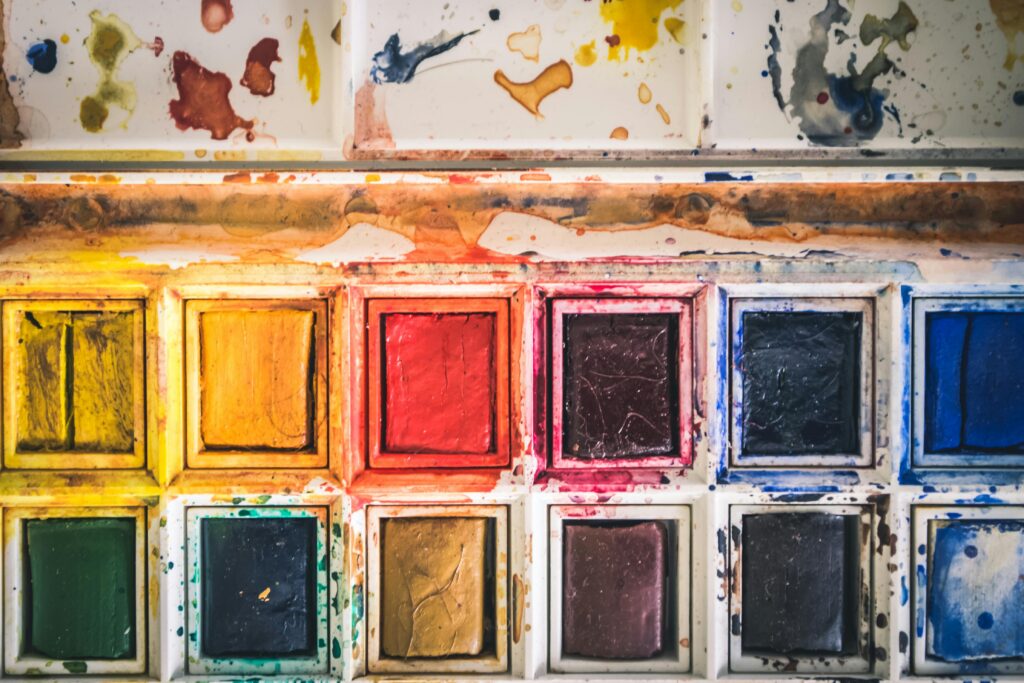
Color plays a crucial role in modern interior design. Neutral color palettes are commonly used in modern homes because they create a clean and timeless look.
Colors such as white, beige, gray, soft taupe, and cream provide a calm and elegant foundation for interior spaces. These shades reflect light effectively, making rooms appear brighter and more spacious.
Neutral walls also allow flexibility when decorating. Homeowners can easily change decorative elements such as cushions, rugs, and artwork without needing to repaint the entire room.
While neutral colors dominate modern interiors, small accents of color can be introduced through decorative accessories. Soft blues, earthy greens, or warm terracotta tones can add personality without overwhelming the space.
Incorporate Open Floor Plans
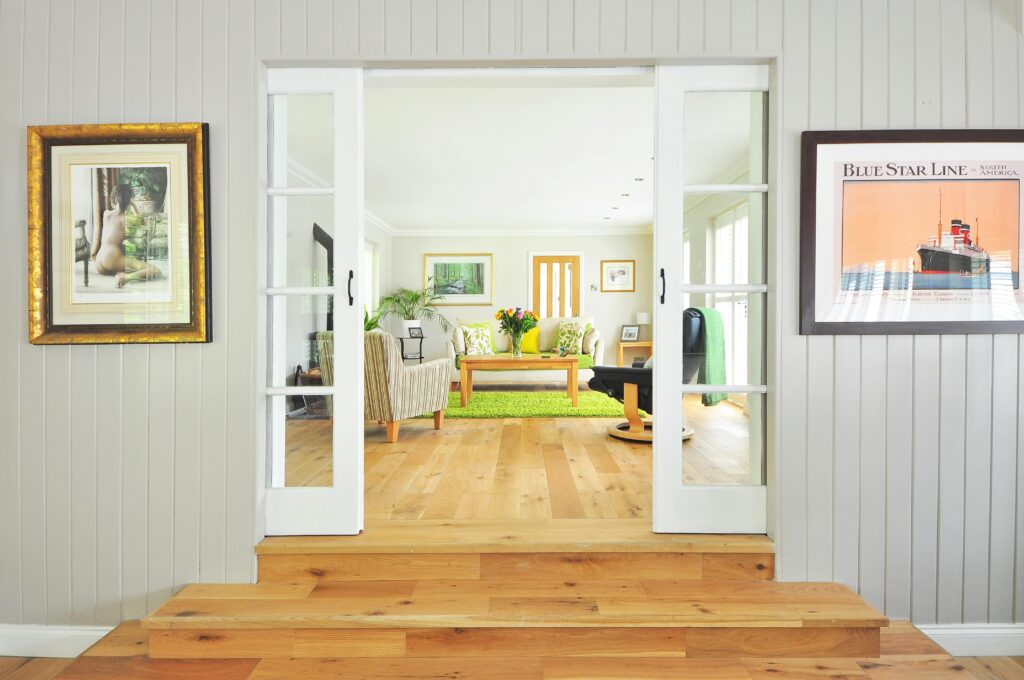
Modern homes often feature open floor plans that connect the living room, dining area, and kitchen into a unified space. This design concept creates a sense of openness and encourages better interaction among family members.
Open layouts allow natural light to flow freely throughout the home, making the interior feel brighter and more welcoming. Without walls dividing each room, the space appears larger and more inviting.
To maintain structure within an open floor plan, furniture placement plays an important role. Sofas, rugs, and dining tables can help define different zones within the same area while maintaining a cohesive design.
Open floor plans are ideal for modern lifestyles because they create a flexible and social living environment.
Select Functional and Stylish Furniture
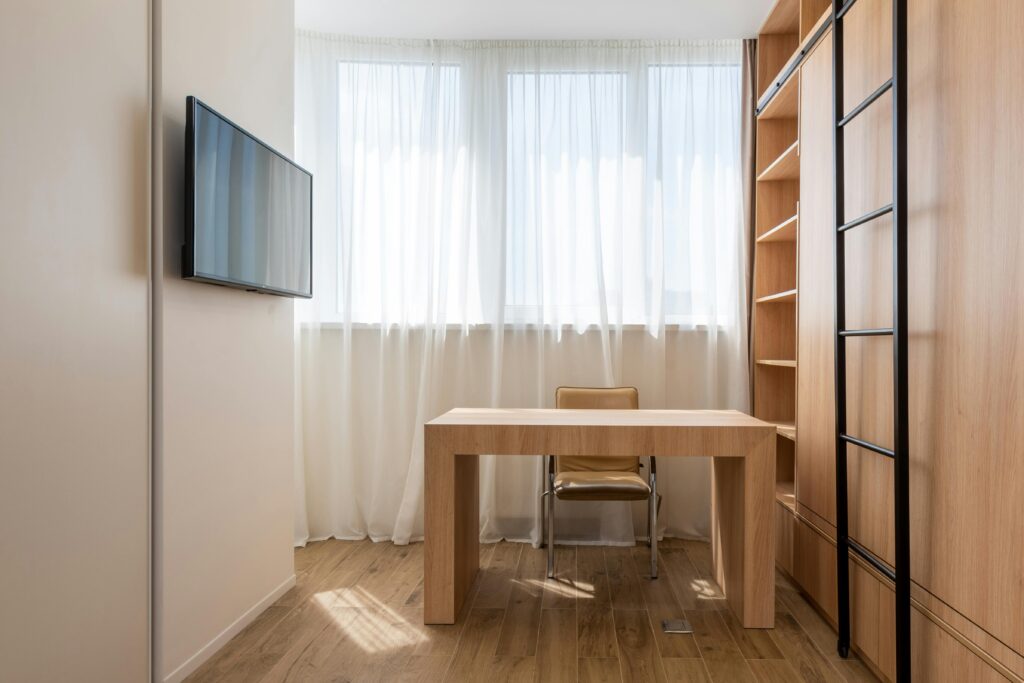
Furniture selection is a key component of modern interior design. Modern furniture typically features simple shapes, smooth surfaces, and practical functionality.
Instead of ornate furniture with heavy detailing, modern homes favor sleek sofas, streamlined coffee tables, and minimalist storage units. The goal is to maintain a clean and uncluttered appearance while ensuring that every furniture piece serves a practical purpose.
Multi-functional furniture is particularly useful in modern homes, especially in smaller spaces. Furniture pieces such as storage ottomans, sofa beds, expandable dining tables, and beds with built-in drawers help maximize functionality without sacrificing style.
Choosing high-quality furniture with durable materials ensures long-term comfort and elegance.
Use Natural Materials and Textures

While modern design emphasizes simplicity, incorporating natural materials helps add warmth and character to the space. Materials such as wood, stone, glass, and natural fabrics bring texture and visual interest to modern interiors.
Wooden floors, wooden furniture, and natural fiber rugs can soften the minimalist look of modern homes. Stone countertops and marble surfaces also add sophistication and durability.
Natural fabrics like cotton, linen, and wool provide comfort while maintaining a refined appearance.
By combining modern design with natural materials, homeowners can create interiors that feel both contemporary and inviting.
Add Indoor Plants for a Fresh Atmosphere
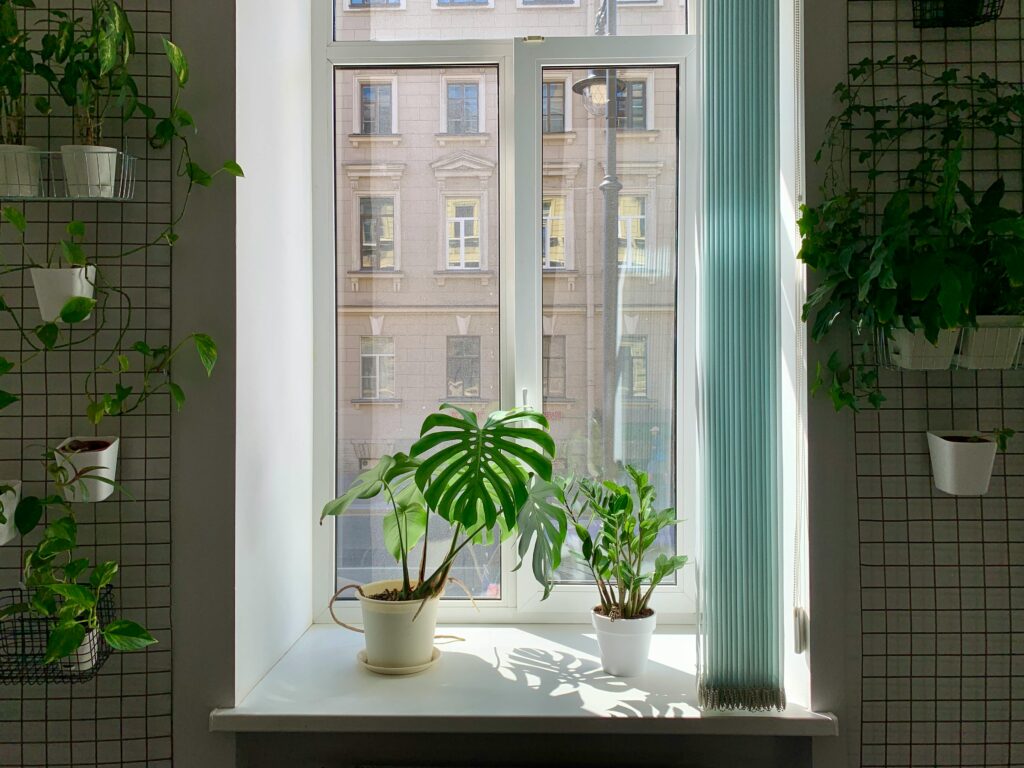
Indoor plants are an excellent way to enhance modern home interiors. Plants introduce natural beauty, improve air quality, and bring life to minimalist spaces.
Popular indoor plants for modern homes include snake plants, monstera, fiddle leaf figs, and succulents. These plants are easy to maintain and complement modern decor styles.
Placing plants in decorative planters or stylish stands can further enhance the design. Plants can be positioned in living rooms, corners, near windows, or even on shelves to create a balanced and refreshing atmosphere.
In modern interior design, greenery helps soften clean lines and adds a natural element to the space.
Focus on Smart Lighting Design
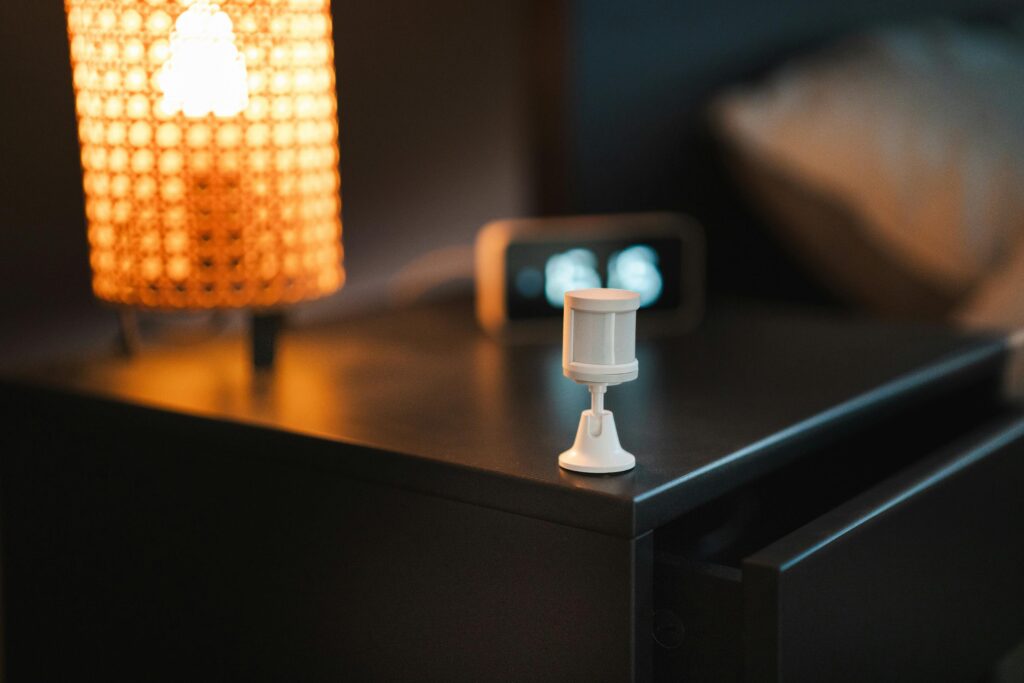
Lighting is one of the most important elements in modern interior design. A well-designed lighting plan can completely transform the mood and functionality of a home.
Modern homes typically use a combination of lighting types, including ambient lighting, task lighting, and accent lighting. This layered lighting approach ensures that every part of the room is well illuminated.
Pendant lights above dining tables, floor lamps near seating areas, and recessed lighting in ceilings are commonly used in modern interiors.
Large windows are also an important feature in modern homes because they allow natural light to brighten the space during the day.
Proper lighting not only enhances visibility but also adds elegance and depth to the home.Proper lighting not only enhances visibility but also adds elegance and depth to the home.
Create Statement Walls
While modern design generally favors simplicity, statement walls can add personality and visual interest to a room.
A statement wall may feature bold paint colors, textured panels, stylish wallpaper, or decorative wood designs. These walls act as focal points that attract attention and enhance the overall design of the room.
Common locations for statement walls include behind the sofa in the living room, behind the bed in the bedroom, or behind the dining table.
Using statement walls strategically allows homeowners to experiment with design without overwhelming the entire room.
Maximize Storage with Smart Solutions
Modern homes emphasize organization and efficient use of space. Smart storage solutions help maintain a clean and clutter-free environment.
Built-in cabinets, floating shelves, and hidden storage compartments are commonly used in modern interiors. These storage solutions keep everyday items organized while preserving the aesthetic appeal of the room.
Wall-mounted shelves are especially useful for displaying books, plants, and decorative accessories without taking up floor space.
Furniture with built-in storage is another excellent option for modern homes, particularly in smaller apartments.
Efficient storage design helps maintain the minimalist and organized look that modern interiors aim to achieve.
Decorate with Simple Accessories
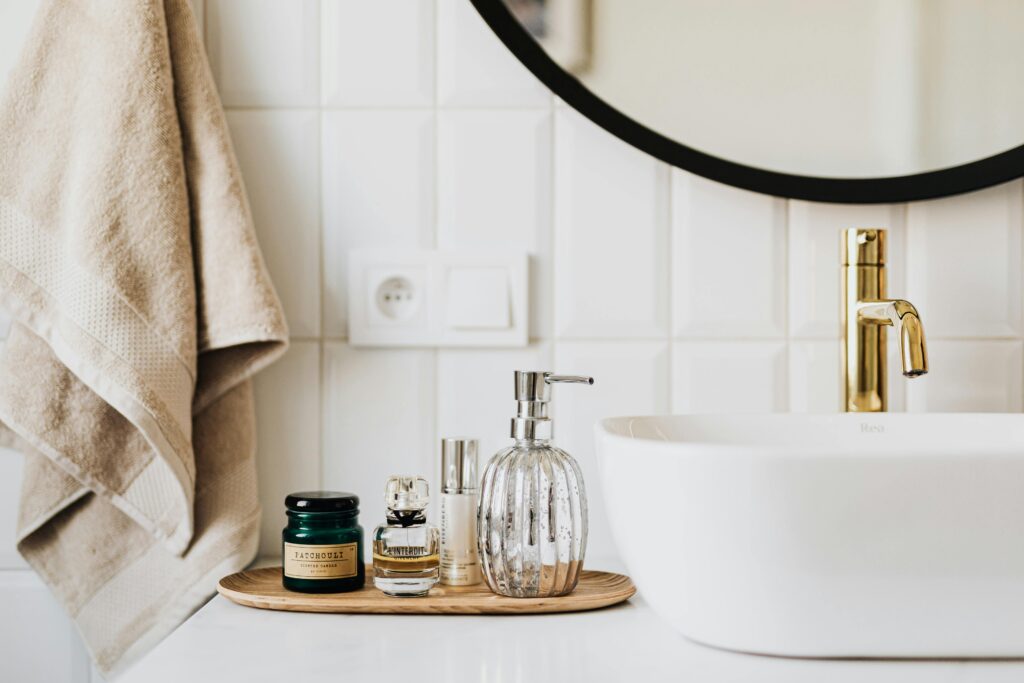
Decorative accessories are essential for adding personality to modern homes, but they should be used thoughtfully. Too many decorative items can make a room feel cluttered and disrupt the minimalist aesthetic.
Instead, choose a few stylish accessories such as decorative vases, abstract artwork, sculptural pieces, or elegant table lamps.
Area rugs can also enhance the design by adding color, texture, and comfort to the room.
Coffee tables, console tables, and shelves are ideal places to display accessories in a balanced arrangement.
Remember that in modern interior design, simplicity often creates the strongest visual impact.
Integrate Smart Home Technology
Modern homes increasingly incorporate smart technology to improve convenience and efficiency. Smart home systems allow homeowners to control lighting, temperature, security, and entertainment systems through smartphones or voice assistants.
Smart thermostats, automated lighting, and motorized window shades are becoming popular features in modern interiors.
These technologies enhance comfort while supporting energy efficiency and modern living.
When integrated properly, smart technology blends seamlessly with the overall interior design.
Final Thoughts
Modern interior design is about creating spaces that are both beautiful and functional. By combining minimalist principles, neutral color palettes, natural materials, and smart design solutions, homeowners can create interiors that feel elegant, comfortable, and practical.
The best interior design ideas for modern homes focus on simplicity, organization, and thoughtful decoration. Open floor plans, stylish furniture, effective lighting, and natural elements all contribute to a balanced and sophisticated living environment.
For readers of babyhomeliving.com, these modern interior design ideas provide inspiration for transforming ordinary homes into stylish living spaces. With careful planning and creative vision, anyone can design a modern home that reflects their personality and lifestyle.
Ultimately, a well-designed modern home is not just about appearance—it is about creating a space where comfort, beauty, and functionality work together to enhance everyday living.