The living room is one of the most important spaces in any home. It’s where families gather, guests are welcomed, and everyday moments are shared. Because this space plays such a central role in your home, choosing the perfect color for your living room becomes a very important decision.
Colors have the power to influence mood, create atmosphere, and completely transform the look and feel of a space. The right color can make your living room look bigger, brighter, cozier, or more elegant.
But with so many shades, tones, and color combinations available, many homeowners ask the same question: How to Choose the Perfect Color for Your Living Room?
In this complete guide, we’ll explore everything you need to know about choosing the right color—from understanding color psychology to matching furniture and lighting.
Why Living Room Color Matters
Before choosing a paint color, it’s important to understand why color selection matters so much in interior design.
The color of your living room walls affects:
- The overall mood of the room
- The perception of space (larger or smaller)
- The amount of light reflection
- The style of the interior design
- How well furniture and decor match the room
A well-chosen color can create a welcoming environment that feels comfortable and visually appealing.
Understand Color Psychology
Different colors create different emotional effects. Understanding color psychology can help you select a shade that fits the mood you want for your living room.
Warm Colors

Warm colors include shades like red, orange, and yellow.
These colors create a feeling of:
- Energy
- Warmth
- Social interaction
- Excitement
Warm tones are great for living rooms because they encourage conversation and make spaces feel inviting.
However, too much strong color may feel overwhelming, so balance is important.
Cool Colors

Cool colors include blue, green, and purple tones.
These colors are associated with:
- Calmness
- Relaxation
- Peace
- Freshness
Cool colors are ideal if you want your living room to feel peaceful and relaxing.
Neutral Colors
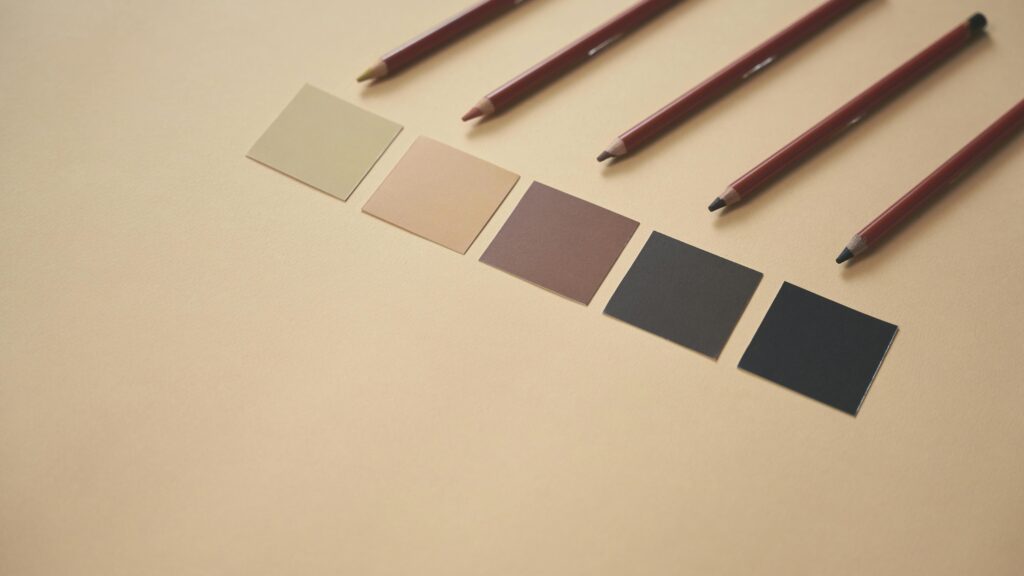
Neutral colors include:
- White
- Beige
- Gray
- Cream
- Taupe
These colors are extremely popular in modern interior design because they:
- Create a clean and elegant look
- Match almost any furniture
- Make decorating easier
Neutral tones also allow you to add colorful decor without overwhelming the room.
Consider the Size of Your Living Room
Room size plays a huge role in color selection.
Best Colors for Small Living Rooms
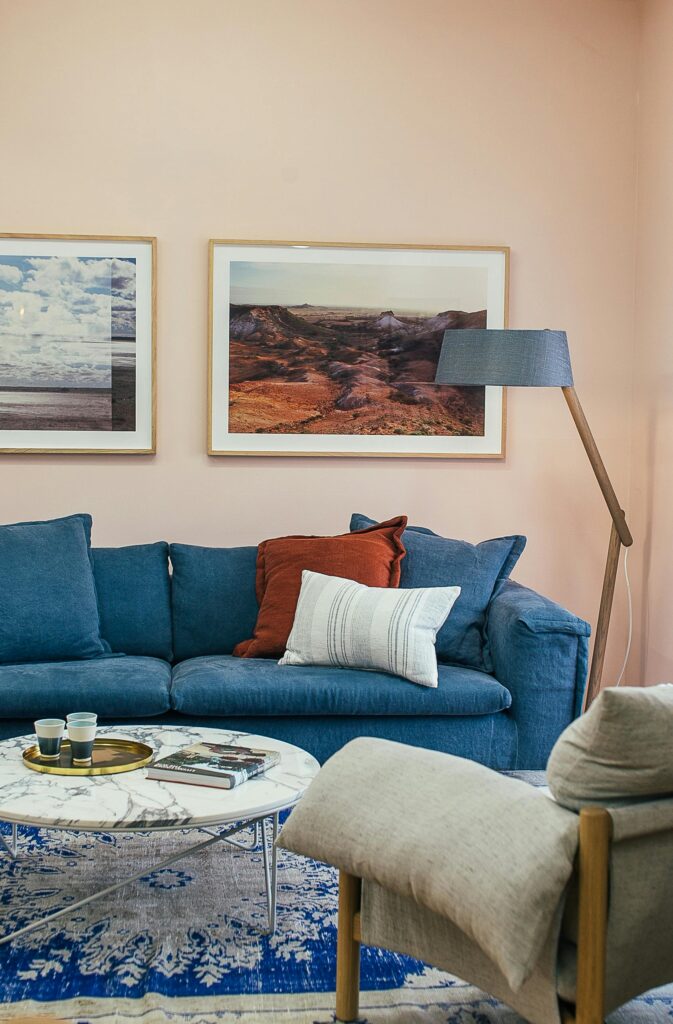
If your living room is small, lighter colors are usually the best option.
Light colors help reflect light and make spaces feel larger.
Some excellent choices include:
- Soft white
- Light gray
- Beige
- Pale blue
- Soft cream
These colors open up the room visually and create an airy atmosphere.
Best Colors for Large Living Rooms
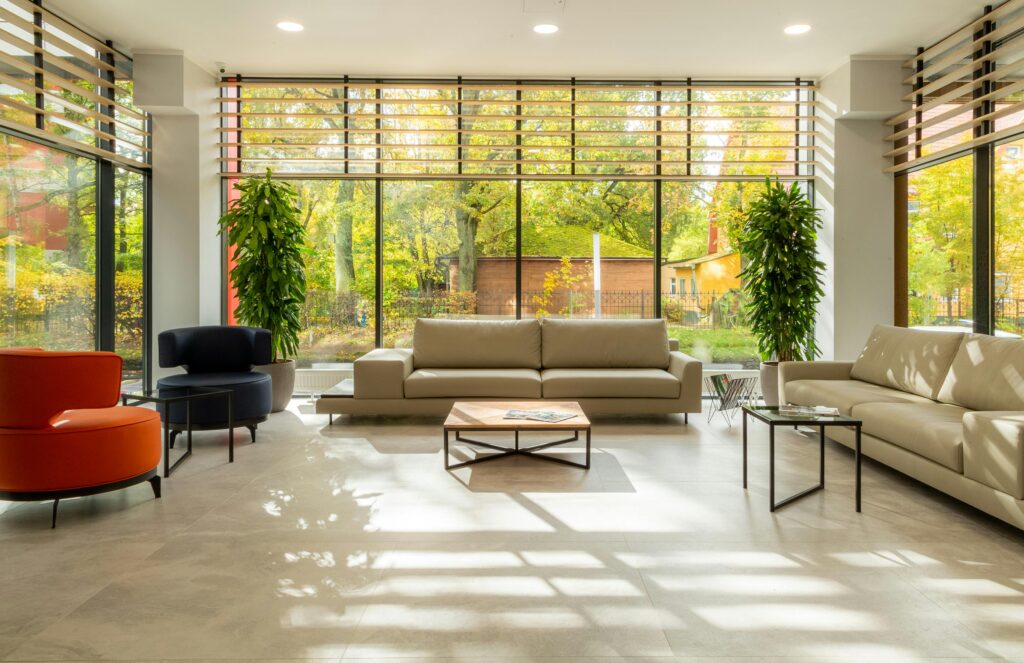
If you have a large living room, you have more freedom to experiment with deeper colors.
Darker shades can make large spaces feel more cozy and intimate.
Popular options include:
- Navy blue
- Dark green
- Charcoal gray
- Deep brown
- Burgundy
These colors add depth and sophistication to larger spaces.
Evaluate Natural Lighting
Lighting significantly affects how colors appear in your living room.
Before choosing a color, observe how much natural light your room receives.
Rooms With Lots of Natural Light
If your living room has large windows and plenty of sunlight, you can use both light and darker shades comfortably.
Sunlight prevents darker colors from making the room feel too heavy.
Rooms With Limited Natural Light
If your living room has limited light, lighter shades work best because they reflect available light.
Good options include:
- Warm white
- Light beige
- Soft gray
- Pastel tones
These colors help brighten darker spaces.
Match the Color With Your Furniture
Your living room color should complement your furniture and décor.
Look at the colors of your:
- Sofa
- Curtains
- Carpets
- Tables
- Decorative items
If your furniture is dark, lighter walls create a beautiful contrast.
If your furniture is light, slightly darker walls may create balance and visual interest.
Consistency between wall color and furniture ensures the room looks harmonious and well-designed.
Choose a Color That Matches Your Interior Style
Different interior styles work best with specific color palettes.
Modern Living Room Colors
Modern interiors usually focus on simple and neutral colors such as:
- White
- Gray
- Black
- Beige
- Soft earth tones
These colors create a sleek and minimalistic look.
Traditional Living Room Colors
Traditional interiors often use rich and warm colors like:
- Cream
- Gold
- Brown
- Deep red
- Olive green
These colors create a warm and elegant environment.
Minimalist Living Room Colors
Minimalist spaces typically use soft neutral tones like:
- Off-white
- Light gray
- Sand
- Soft beige
These colors maintain a calm and uncluttered look.
Try Accent Walls
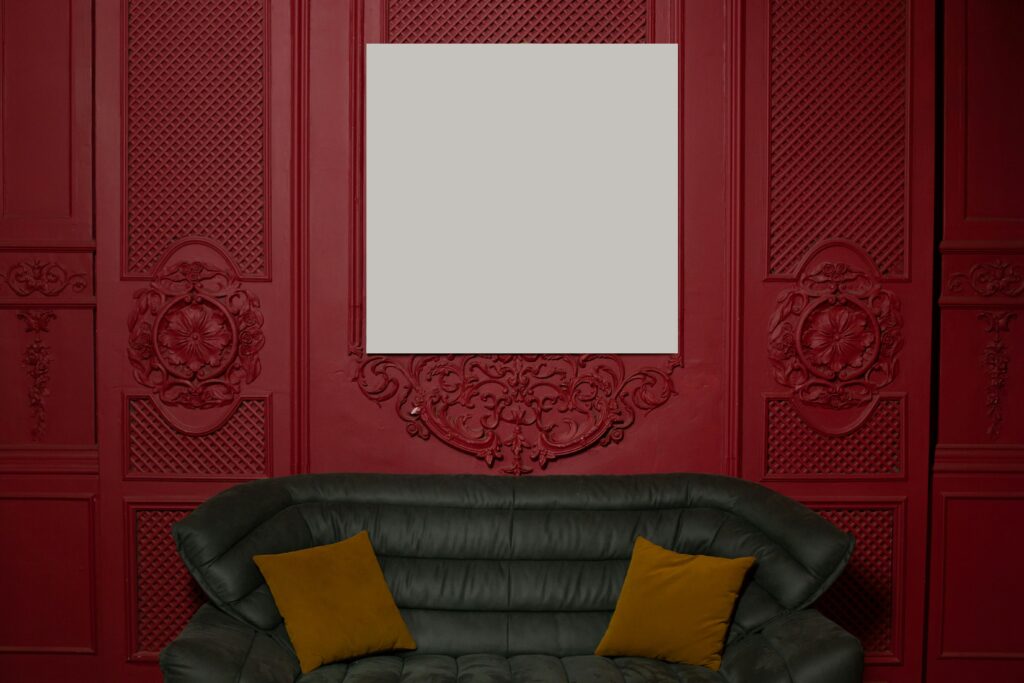
If you don’t want to commit to painting the entire room in a bold color, an accent wall is a great option.
An accent wall is a single wall painted in a different color from the others.
Benefits of accent walls include:
- Adding visual interest
- Highlighting architectural features
- Introducing bold colors without overwhelming the room
For example, you can paint three walls light gray and one wall navy blue.
This creates a stylish and balanced look.
Use Color Combinations
Instead of using a single color, you can combine multiple colors for a more dynamic design.
Popular living room color combinations include:
- White and gray
- Beige and brown
- Navy blue and white
- Gray and mustard yellow
- Cream and olive green
Balanced color combinations add personality and depth to the room.
Test Colors Before Painting
One of the biggest mistakes homeowners make is choosing a color without testing it first.
Paint colors often look different on the wall compared to a color sample.
Before committing to a color:
- Buy small paint samples
- Paint a small section of the wall
- Observe the color during different times of the day
- Check how it looks with lighting and furniture
Testing ensures you choose the right shade.
Consider Ceiling and Floor Colors
Many people focus only on the wall color but forget about the ceiling and flooring.
A cohesive color scheme includes all elements of the room.
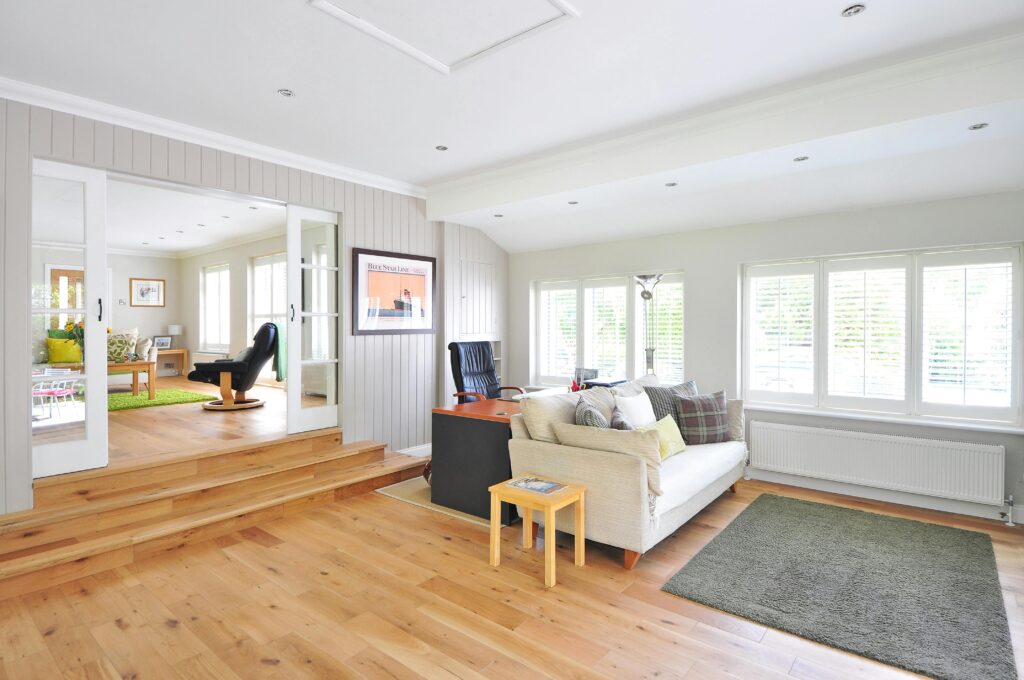
Ceiling Colors
White ceilings are the most common choice because they make rooms feel taller and brighter.
However, soft neutral tones can also work well for ceilings in larger spaces.
Floor Colors
Your wall color should complement the flooring.
For example:
- Light walls pair well with dark wood floors
- Warm walls match well with beige or wooden flooring
- Neutral floors allow more flexibility in wall colors
Popular Living Room Colors in Modern Homes
Some colors have become extremely popular in modern interior design.
Soft Gray
Gray is versatile and elegant. It works well with almost any furniture style.
Warm Beige
Beige creates a cozy and welcoming atmosphere without feeling too heavy.
Classic White
White living rooms look bright, clean, and timeless.
Earthy Green
Green tones bring a natural and relaxing vibe to living spaces.
Navy Blue
Navy adds sophistication and depth to living rooms.
Common Mistakes to Avoid
When choosing a living room color, avoid these common mistakes:
Ignoring lighting conditions
Colors may look different depending on lighting.
Choosing colors that clash with furniture
Always consider existing décor.
Using too many bold colors
Too many strong colors can make the room feel chaotic.
Skipping color testing
Testing paint samples helps avoid costly mistakes.
Tips From Interior Design Experts
Professional interior designers often recommend the following tips:
- Stick to two or three main colors in the room.
- Use neutral base colors and add accents through décor.
- Choose colors that match the overall style of your home.
- Think about the long-term appeal of the color.
These simple tips can help you achieve a balanced and stylish living room.
Final Thoughts
Choosing the perfect color for your living room may seem challenging at first, but with the right approach it becomes much easier.
By considering factors like room size, natural lighting, furniture, and interior style, you can select a color that enhances both the beauty and comfort of your space.
Whether you prefer soft neutral tones, calming cool colors, or bold accent walls, the perfect color should reflect your personality and create a welcoming environment for family and guests.
Remember that your living room is the heart of your home. With the right color choice, you can transform it into a space that feels stylish, relaxing, and truly enjoyable.
Take your time, test different shades, and choose a color that makes your home feel exactly the way you want it to.